
Browse Items (158 total)
Sort by:
Questions of Philosophy and Psychology (early publication)
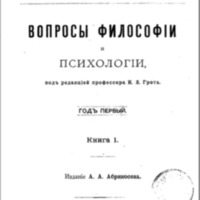
Published between 1889 and 1918 and founded by the second Chairman of the Moscow Psychological Society and Professor and Philosophy, Nikolai Grotto, “Questions of Philosophy and Psychology” is one of the most important social and psychological…
Problems of Idealism (collection of essays)
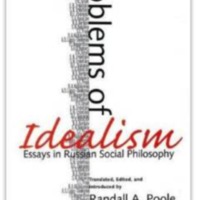
“Problems of Idealism” is by far one of the most directly socio-politically motivated texts to have been produced by or in relation to the Moscow Psychological Society. Thus, this text is an excellent example of just how interwoven the early…
Psychology in Russia: State of the Art
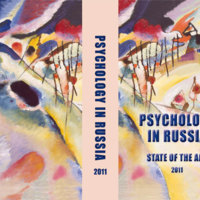
After a hiatus of several years, the Russian Psychological Society starting publishing their annual peer-reviewed academic journal, “Psychology in Russia: State of the Art” in 2008. Unlike the journals from earlier in this exhibit, this…
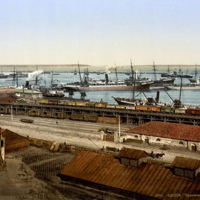
Lenin
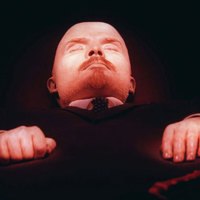
After the death of Lenin in 1924, his body was embalmed by the Soviet government so that it could be displayed in a mausoleum. Lenin’s corpse became the focus point of a Leninist cult of personality throughout the Soviet period, and this precedent…
The Crimean War and Russo-American Relations

During the mid-1850s, the events of the Crimean War expanded what had been minimal interaction between the United States and Russia. Although the United States remained neutral during the war, the question of shipping neutrality first raised…
Alexander II, Tsar and Emancipator
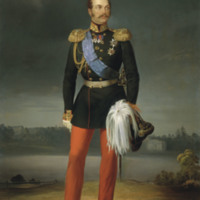
Alexander II, as the Tsar-Emancipator, provided ideological abolitionists with a new face of Russia that could dispel the previous notions of Russian autocracy and despotism. As noted in the exhibit, Alexander II signed a declaration of…
Trent Affair
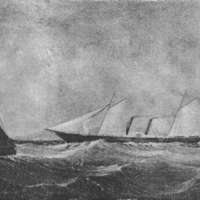
Although the “Trent Affair” did not directly involve Russia, the affair demonstrated the need for the United States to bolster its diplomatic presence against British and French interests. In November 1861, the British government…
Cassius Clay, Minister to Russia
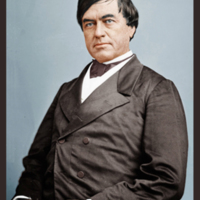
Cassius Marcellus Clay served as minister to Russia for two terms: first from July 14, 1861 to June 25, 1862, and again from May 7, 1863 to October 1, 1869. His tenure as minister was marked by a successful alignment of Russia with American…
"Reactionary, Catholic and Despotic Poland."

The Polish Insurrection demonstrates the extent to which American diplomacy prioritized a strong relationship with Russia during the Civil War. In January 1863, protests against conscription in Poland exploded into a general rebellion against…
The Russian Fleet Comes to America
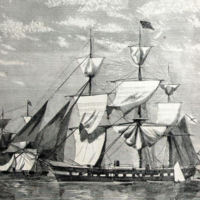
On September 24, 1863, Russian ships suddenly appeared off the coast of New York City. Although the appearance of a foreign navy during the Civil War might seem to have been menacing, both the American government and private society welcomed…
The Purchase of Russian Alaska
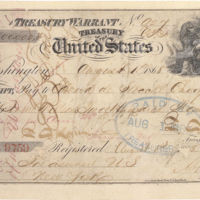
Although the American purchase of Alaska occurred after the Civil War, the treaty came about as a result of the same diplomatic circumstances that brought about Russo-American cooperation during the Civil War. The antagonism between Russia and…
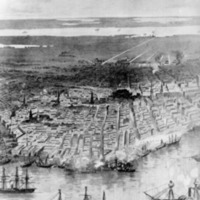
New York Times Headlines - May 20, 1918
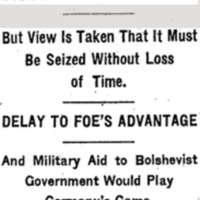
Headline from the front page of The New York Times, May 20, 1918. This headline was cited in Lippman and Merz’s A Test of the News as an example of the bluntly interventionist positions present in purportedly objective news articles. There are a…